
How often to detail your car is one of the most common questions we get. Most people expect a simple schedule, but the answer is not based on time alone. It depends on the condition of the vehicle and how it has been maintained.
The biggest misunderstanding starts with the phrase “not that bad.” That usually describes what the surface looks like, not what is actually built-up underneath. A car can look clean while still needing a full deep clean to reach a true baseline.
Why “Not That Bad” Doesn’t Mean What You Think
A lot of people tell us their car is “not that bad.” Sometimes that means they vacuum it and wipe it down themselves. Other times, it means they regularly go through a car wash to keep it looking clean. Sometimes, it also means they have paid for detailing somewhere else.
Owner-Maintained
A lot of owner-maintained vehicles are being kept cleaner at the surface level, not fully reset underneath. Vacuuming visible debris, wiping down surfaces, and running through a car wash can absolutely help maintain appearance between services, but it is very different from a true deep clean. Hidden buildup underneath seats, embedded contamination in carpet backing, packed debris in seams, moisture-prone areas, and neglected high-contact surfaces can take hours to fully remove once a vehicle is brought back to a proper baseline.
High End Cleaning Services
The same issue exists with some detailing services. Not every service labeled as detailing performs a true deep clean. Many are structured more like a high-end cleaning service that focuses on appearance instead of full process. In those cases, the vehicle is being maintained at a surface level without the owner realizing it. It looks cleaner, so it feels like it is being properly maintained, while buildup continues developing underneath because it was never fully removed to begin with.
Presented as “Deep Cleaning”
Many detailing companies list very similar services on paper. Air blowouts, vacuuming, steam cleaning, extraction, and deep cleaning may all appear in the package description. The difference is often not the wording, but the depth of the process itself. A quick pass through visible areas is very different from fully working contamination out of seams, carpet backing, restraints, moisture-prone areas, and hidden buildup throughout the interior.
This is why a car can feel “not that bad” while still needing a full deep clean to reach a true baseline.
These photos were taken after the owner brought the vehicle to us with ongoing moisture and contamination concerns after an interior cleaning service had already been performed on the vehicle the day before.
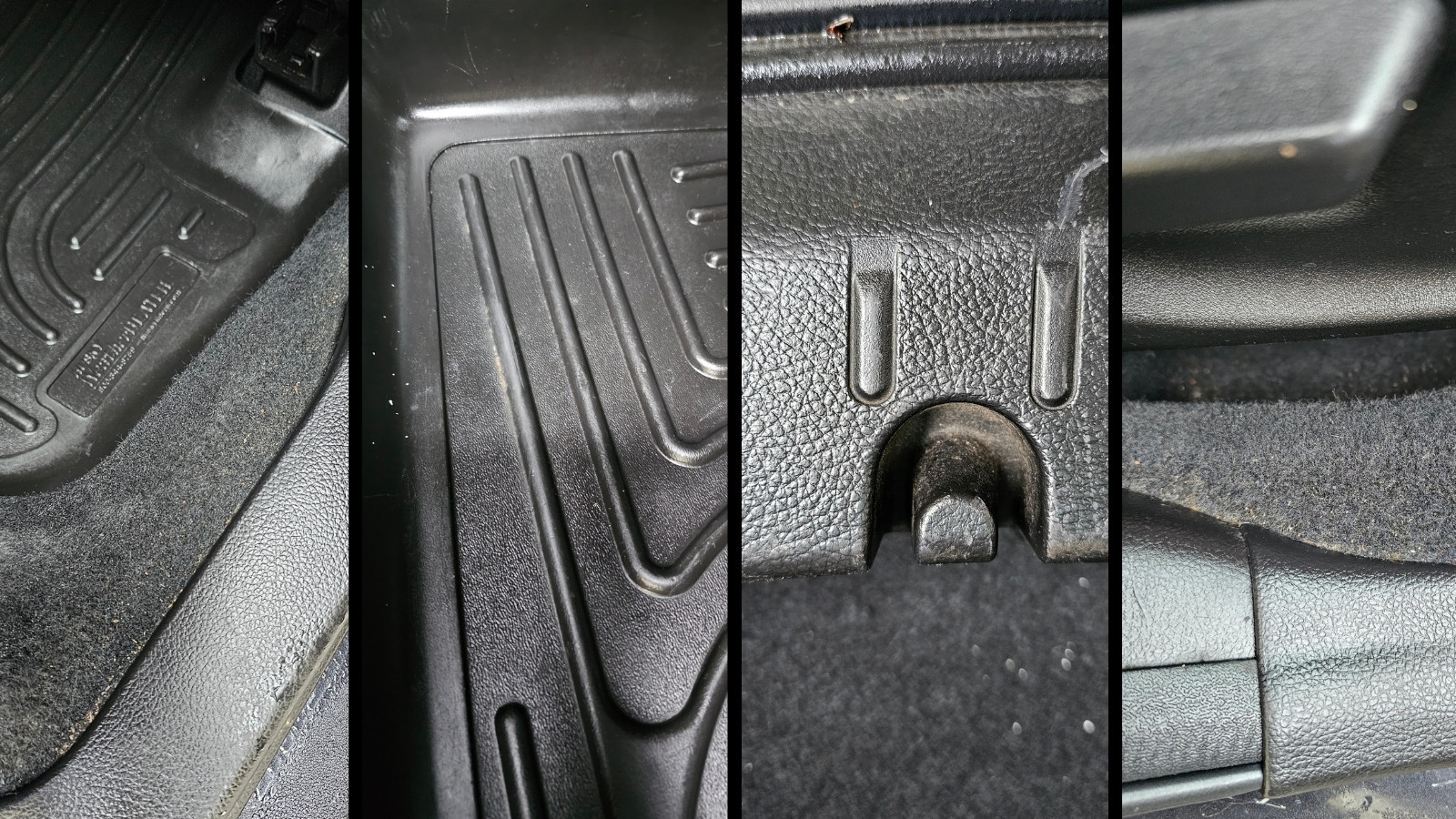
Despite already being professionally cleaned the day before, visible mold, buildup, greasy residue, and heavily missed areas were still present throughout the interior. The service list may have sounded similar on paper, but the depth of the process and attention to detail were clearly very different.
What You’re Seeing vs What’s Actually There
A clean-looking surface only tells part of the story. Dirt, oils, and debris settle into seams, fabrics, and textured materials that basic cleaning cannot reach. These areas hold onto buildup even when the rest of the vehicle looks clean.
Car washes also leave behind contamination. They do not clean door jambs, wheel wells, or tight exterior seams where buildup collects over time. This is where the difference between a wash and true professional detailing services becomes clear.
Why Car Washes and Surface Cleaning Fall Short
Car washes are designed for speed and visual improvement, not full cleaning. They move quickly, skip detailed areas, and rely on products that improve appearance without removing deeper contamination. That creates a false sense of cleanliness.
We can actually tell when vehicles have been through certain car washes in the area, before even inspecting paint. Wheels are often packed with dirt, but tire shine is applied over the top to make them look clean. That layer makes the process harder to properly detail because we have to break through it before reaching the buildup underneath.
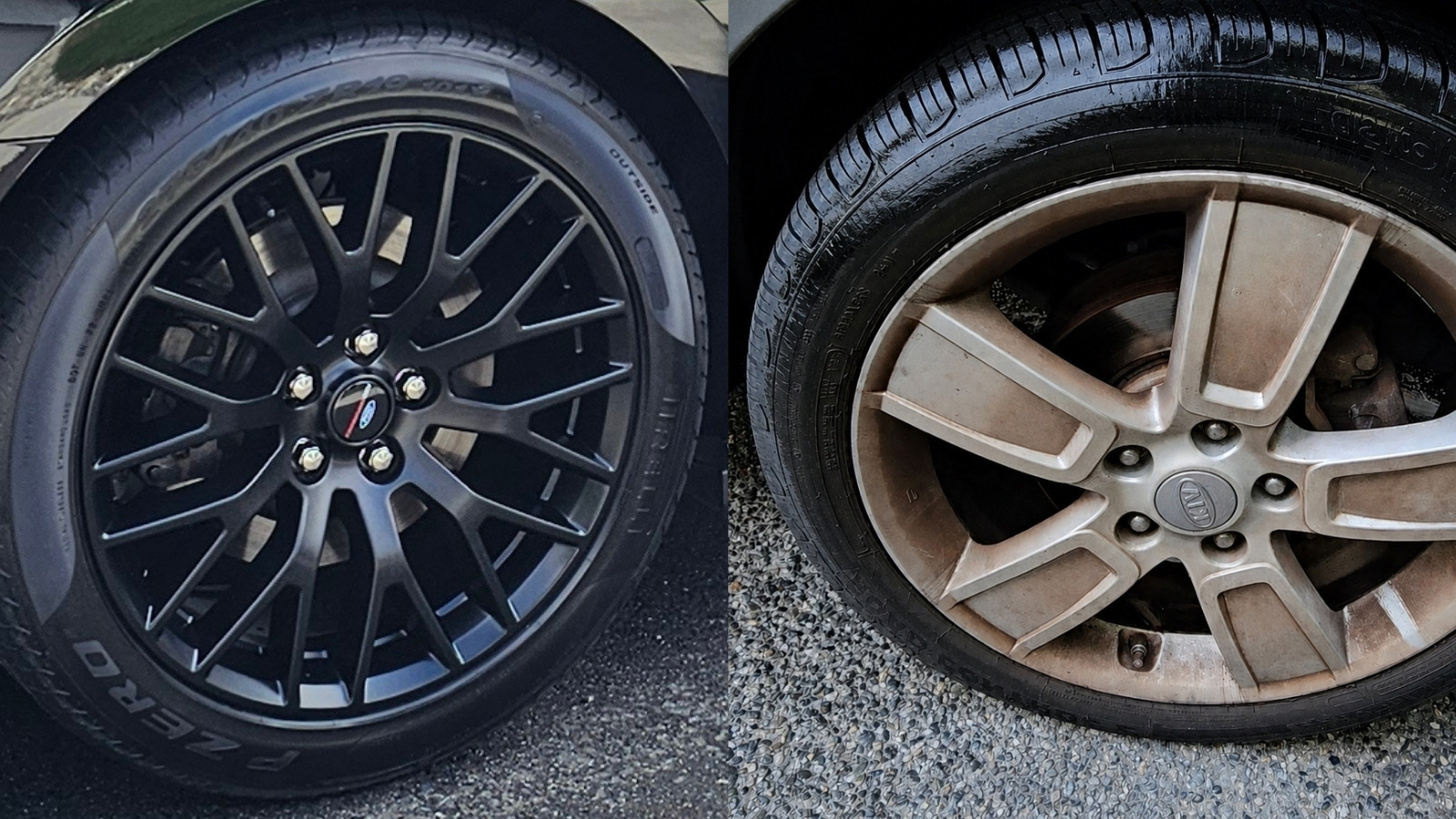
The wheel on the left was deep cleaned before applying tire dressing. The right wheel shows car wash tire shine layered over existing buildup, which can trap contamination and require additonal restoration later.
Why Every Detail Still Follows the Same Process
Every proper detail should follow a full process regardless of condition. Every surface still gets cleaned, agitated, and blown out to remove debris from hidden areas. Nothing is skipped, even if the vehicle looks cleaner at first glance.
Condition only changes how long the work takes, not what gets done. A cleaner vehicle may move faster through the process, but it still requires the same level of attention.
What Maintenance Actually Means
Maintenance detailing is often misunderstood. It is not a quick clean, and it is not a reduced service. It is still a full deep clean performed at the same level every time.
The process does not change, but the time does. When a vehicle has already been brought to a baseline, there is less buildup to remove, so the same work can be completed more efficiently and less aggressively.
This is why maintenance pricing is lower. It is not because less work is being done, but because the work takes less time to complete.
Many companies shift to surface-level cleaning once a customer is on maintenance. They replace a full process with quick wipe-downs and light vacuuming. That is not maintenance, and it allows buildup to return underneath the surface.
True maintenance keeps the same level of service every time. It simply takes less time because the vehicle is already in better condition.
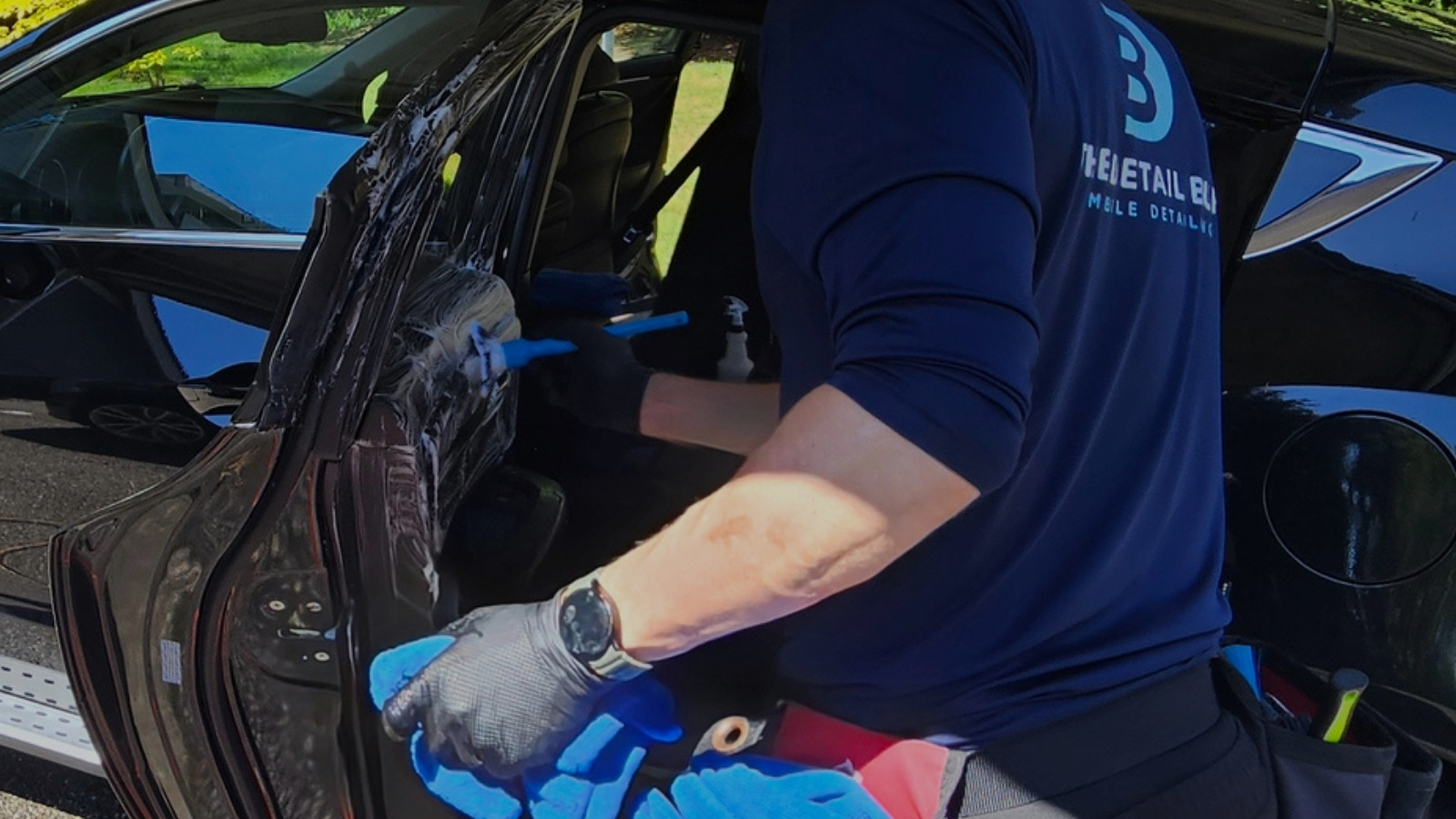
True maintenance detailing keeps the same process and attention to detail every visit. The condition of the vehicle simply allows the work to be completed more efficiently.
Why Most Cars Are Not at a Maintenance Level
Most vehicles have never been brought to a true baseline. Even if they look clean, they have only been surface cleaned over time. That means the first detail is not maintenance, but a reset.
Once that baseline is established, the vehicle can be maintained properly. This is also why understanding how to choose a detailer matters when deciding who to trust with your vehicle.
What Happens When You Skip Maintenance
When maintenance is skipped, buildup starts returning underneath the surface. It does not show up immediately, which makes it easy to overlook. Over time, it compounds and becomes harder to remove.
Eventually, the vehicle falls out of maintenance and back into a reset. That requires more time, more aggressive cleaning, and a higher cost again.
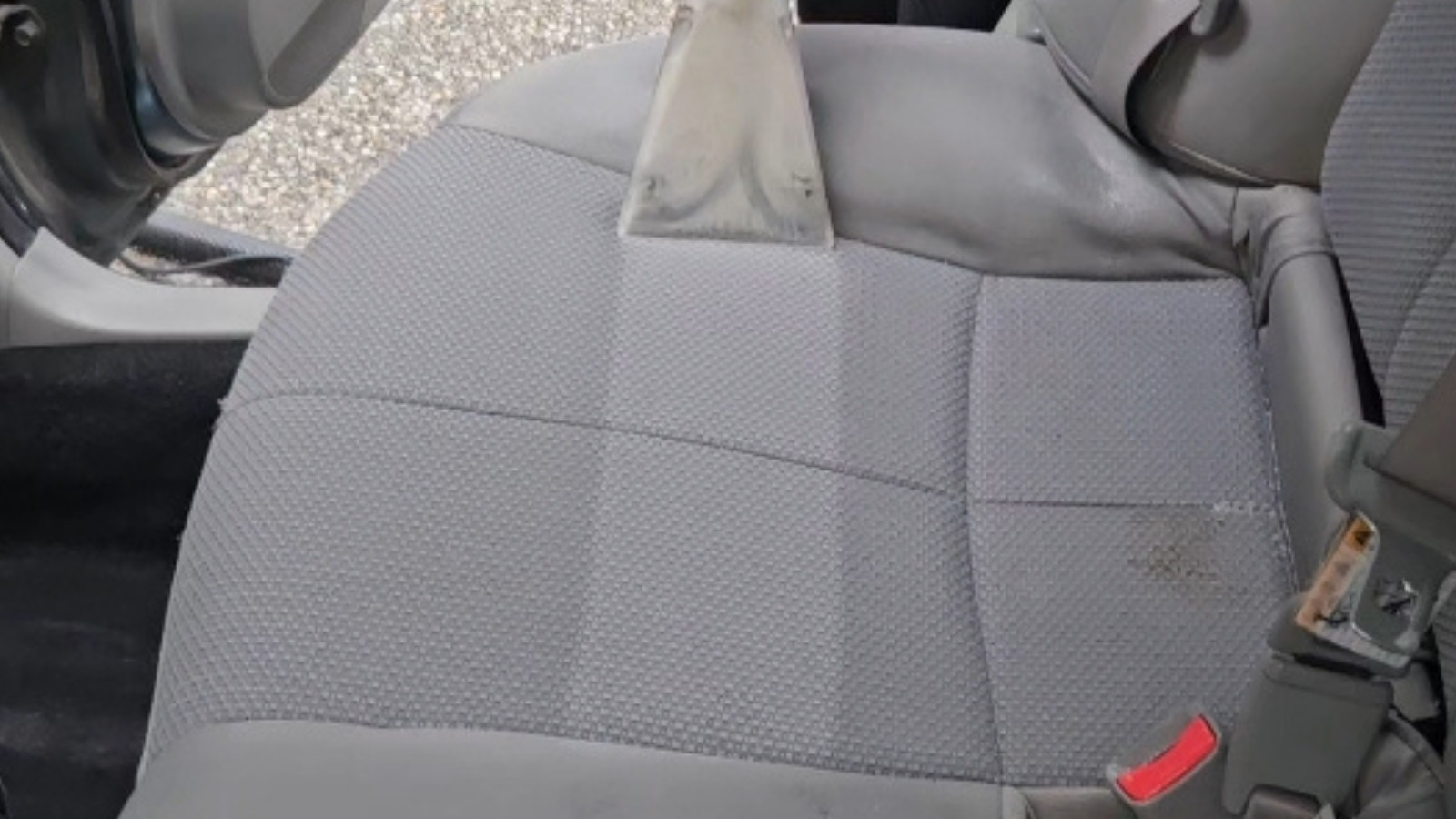
So How Often Should You Detail Your Car?
There is no single schedule that works for every vehicle. Once a car is at a proper baseline, most fall into a general range based on usage and environment.
For many clients, that ends up being every 6–10 weeks. This only works if the vehicle is being maintained properly with a full process.
If the vehicle is only being surface cleaned, the timing does not matter. Buildup continues underneath, and the car eventually needs to be reset again.
A Real Example of Maintenance vs Reset
We have a client with a large Suburban that shows this clearly. The initial reset on that vehicle was around $550–$575 because of condition and the time required to bring it to baseline.
Once maintained, that same vehicle can now be detailed inside and out for around $275. The process has not changed, but the time has been reduced significantly.
Because the vehicle is maintained consistently, buildup never has time to return. That is why understanding why detailing prices vary helps explain the difference.
How to Tell When Your Car Needs Detailing
Instead of relying only on time, look at the condition of your vehicle. Early signs usually appear in areas that are harder to clean with basic methods.
Common indicators include:
- buildup in seams and edges
- dull or sticky surfaces
- odors returning quickly
- wheels becoming harder to clean
These signs show the vehicle is moving away from its baseline.
Why This Matters Long-Term
Detailing is not just about appearance. It is about preserving the condition of the vehicle over time. A consistent process helps protect materials and prevents unnecessary wear.
Surface cleaning alone does not provide that protection. Over time, it allows buildup to continue affecting the vehicle underneath.
To better understand the difference, it helps to compare a car wash services vs professional detailing.
Final Thoughts
How often to detail your car depends on condition, not a fixed schedule. “Not that bad” usually means buildup is not visible yet, not that it is not there.
The goal is to bring the vehicle to a proper baseline first. From there, true maintenance keeps it at that level using the same process every time.
🎯 Want to bring your vehicle back to baseline?
You can read our customer reviews to see real results, then request a quote based on your vehicle’s condition. We serve Marysville, Arlington, Lake Stevens, Snohomish, and surrounding Snohomish County communities.