
Automatic car washes feel convenient. They are fast, easy to access, and available throughout Marysville, Arlington, Lake Stevens, Snohomish, and surrounding Snohomish County communities.
The problem is that convenience and proper long-term vehicle care are not always the same thing.
A vehicle can look cleaner after a wash while still collecting paint damage, contamination, and buildup underneath the surface over time. Most owners do not notice the damage immediately because it develops gradually.
For many vehicles, years of improper washing eventually lead owners toward a paint correction process simply to restore clarity and gloss back into the finish.
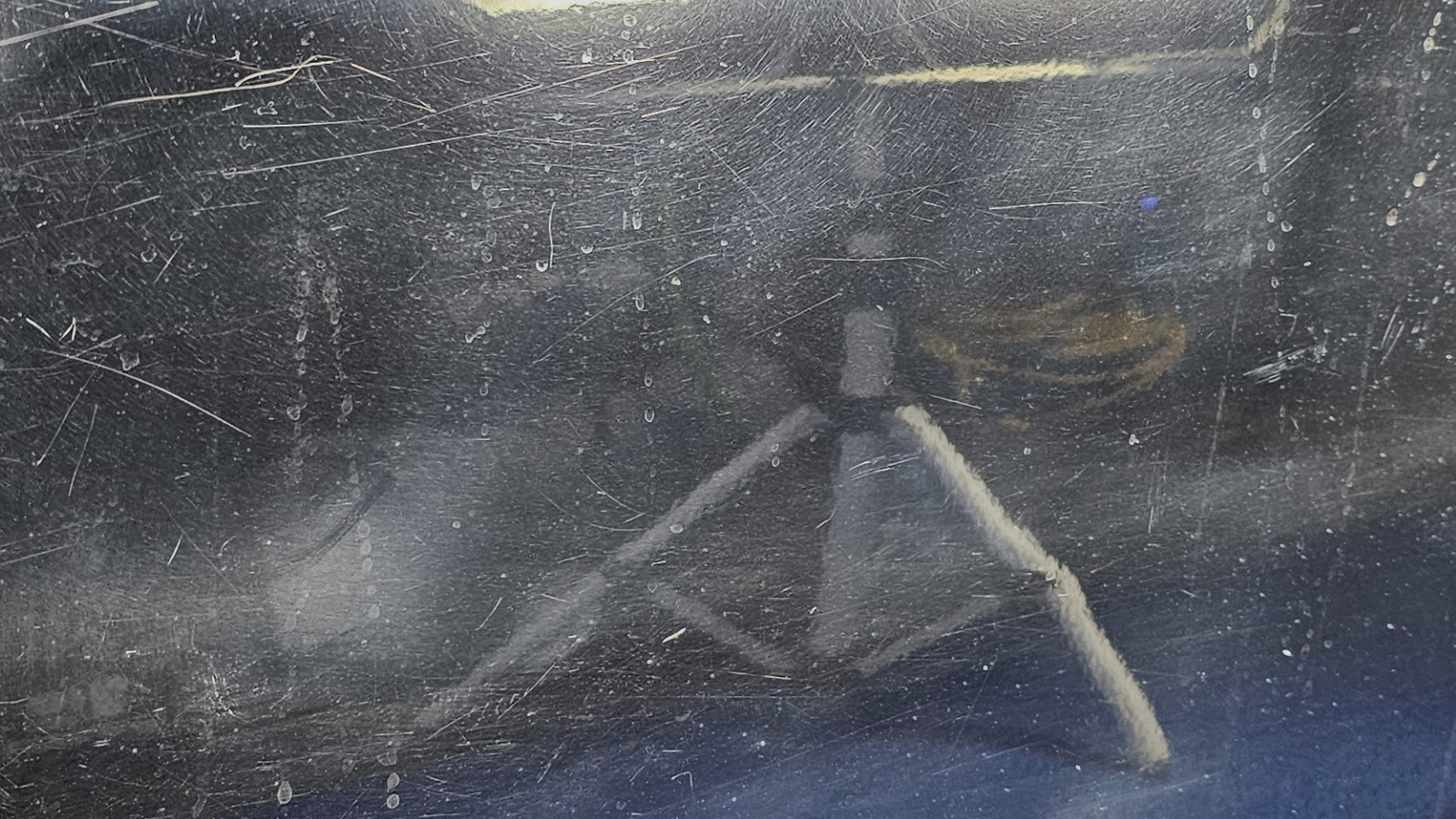
Repeated automatic tunnel washes can slowly create swirl marks and haze throughout modern clear coat finishes.
Why Automatic Car Washes Cause Swirl Marks
Traditional tunnel washes create most paint damage through repeated friction and trapped contamination. Many automatic systems use spinning brushes, strips, or contact materials that touch hundreds of vehicles every week. Even if the material itself feels soft, dirt and debris become the real problem. Sand, road grime, brake dust, and contamination from previous vehicles can remain trapped inside the wash materials and drag across the next vehicle entering the tunnel.
Modern clear coats are softer than many owners realize. Repeated contact slowly creates swirl marks, haze, and fine scratches throughout the paint. Dark-colored vehicles usually show the damage first, but every paint color eventually develops it. The damage also builds gradually enough that many owners normalize it over time.
Why Touchless Car Washes Still Have Tradeoffs
Touchless systems remove the friction problem, but they create a different issue. Since touchless washes cannot physically scrub contamination away, they often rely on stronger chemicals and detergents to compensate. Over time, repeated exposure to aggressive chemicals can:
- weaken waxes faster
- reduce ceramic coating protection
- dry exterior trim
- increase spotting
- struggle to fully remove bonded contamination
Touchless washes are still usually safer than heavy-contact tunnel systems. They simply are not a replacement for proper maintenance washing and periodic decontamination. This is one reason vehicle owners researching why detailing prices vary often discover that proper maintenance involves far more than surface-level washing.
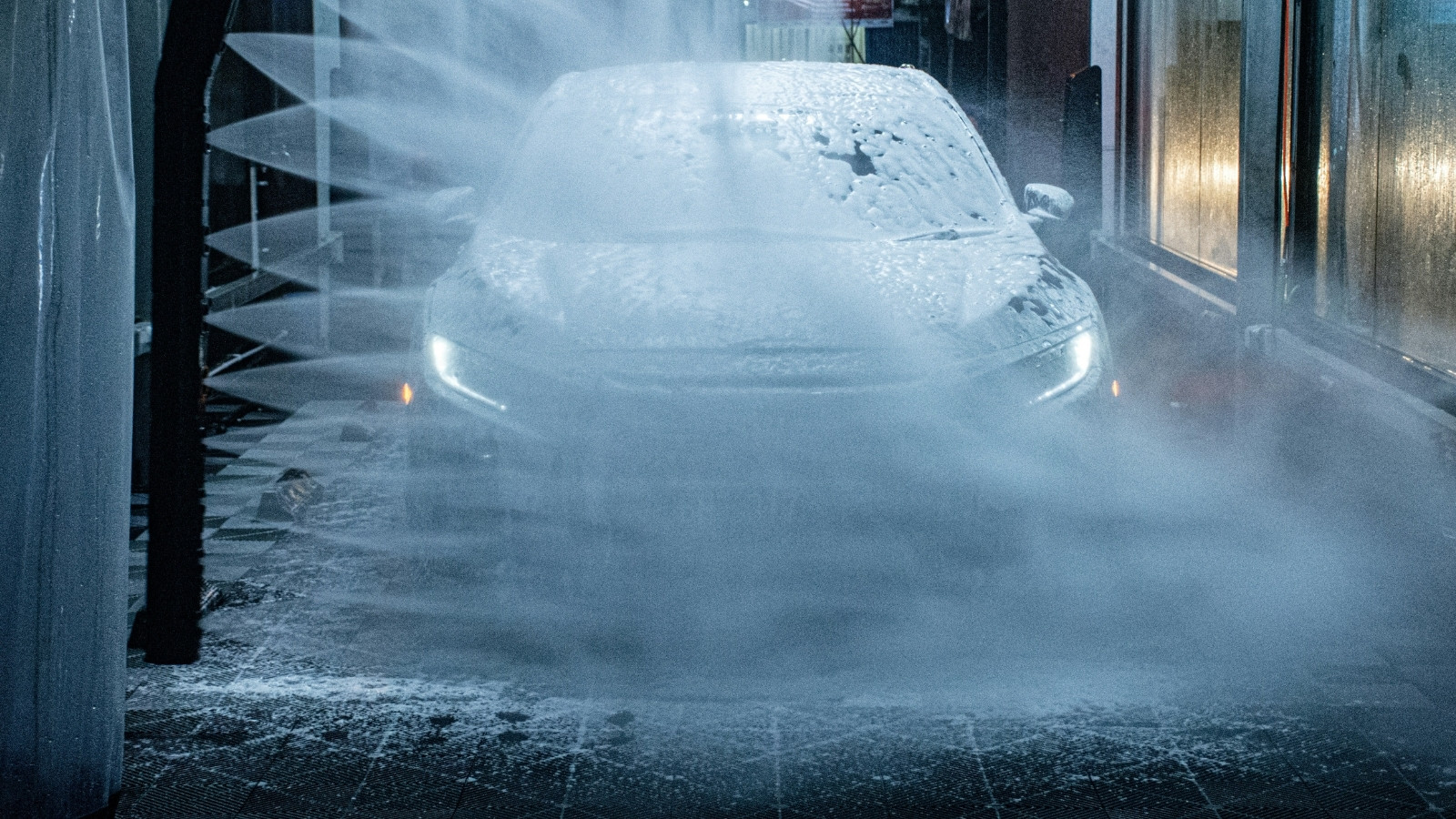
Touchless washes reduce friction but still rely heavily on strong chemicals and surface-level maintenance methods.
The Problem with Self-Serve Wash Bays
A lot of owners believe self-serve bays are automatically safer because they control the process themselves. Sometimes they are. Sometimes they are not. The biggest issue is usually the communal wash brush. Those brushes often touch:
- dirty concrete
- dropped debris
- brake dust
- muddy vehicles
- road grit
- contamination from previous cars
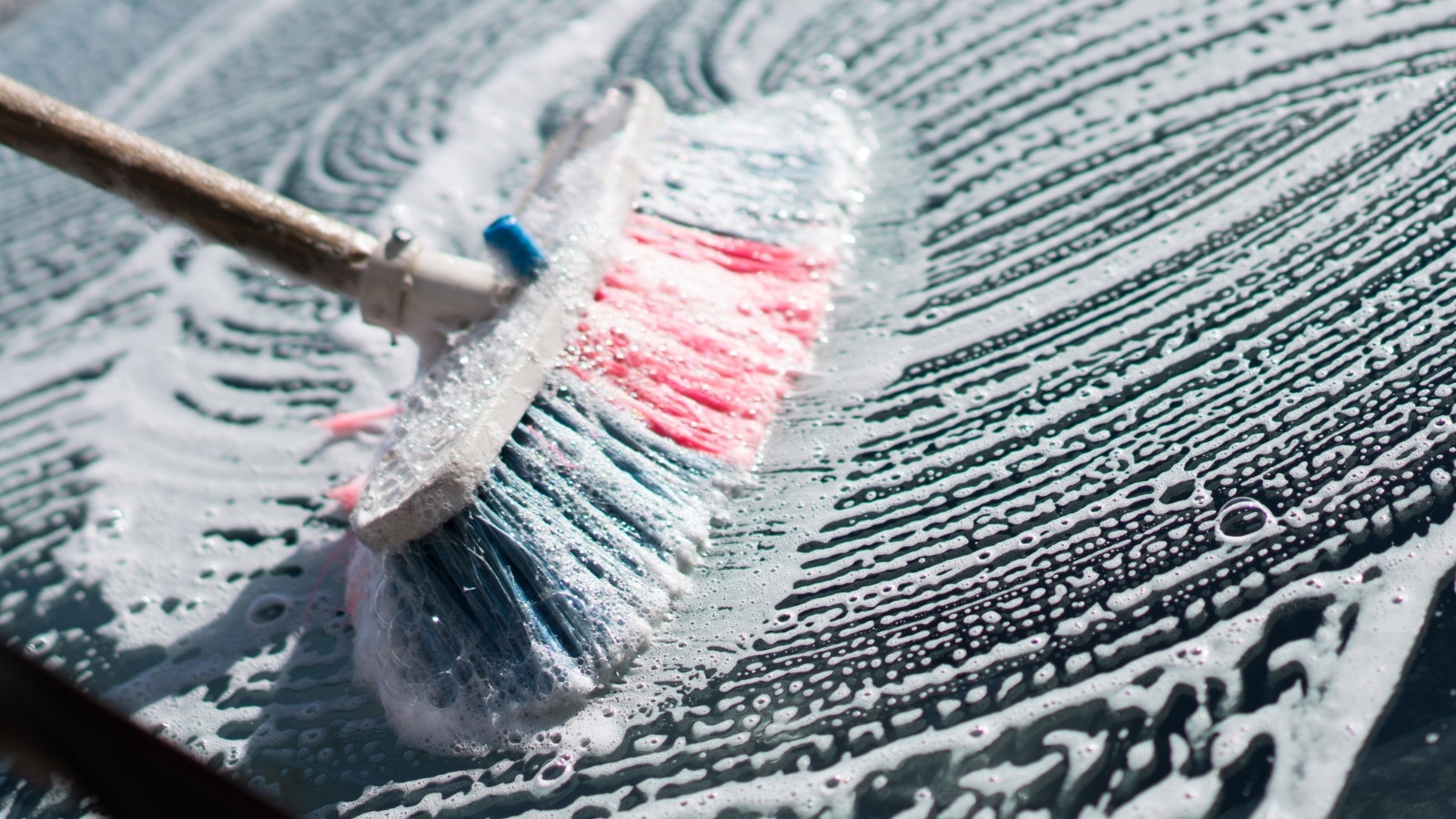
Dragging that brush across paint can quickly create scratching and swirls. Many self-serve bays also use low-cost chemicals and silicone-heavy products designed for speed and appearance instead of long-term vehicle care.
Why Self-Serve Interior Cleaning Can Be Misleading
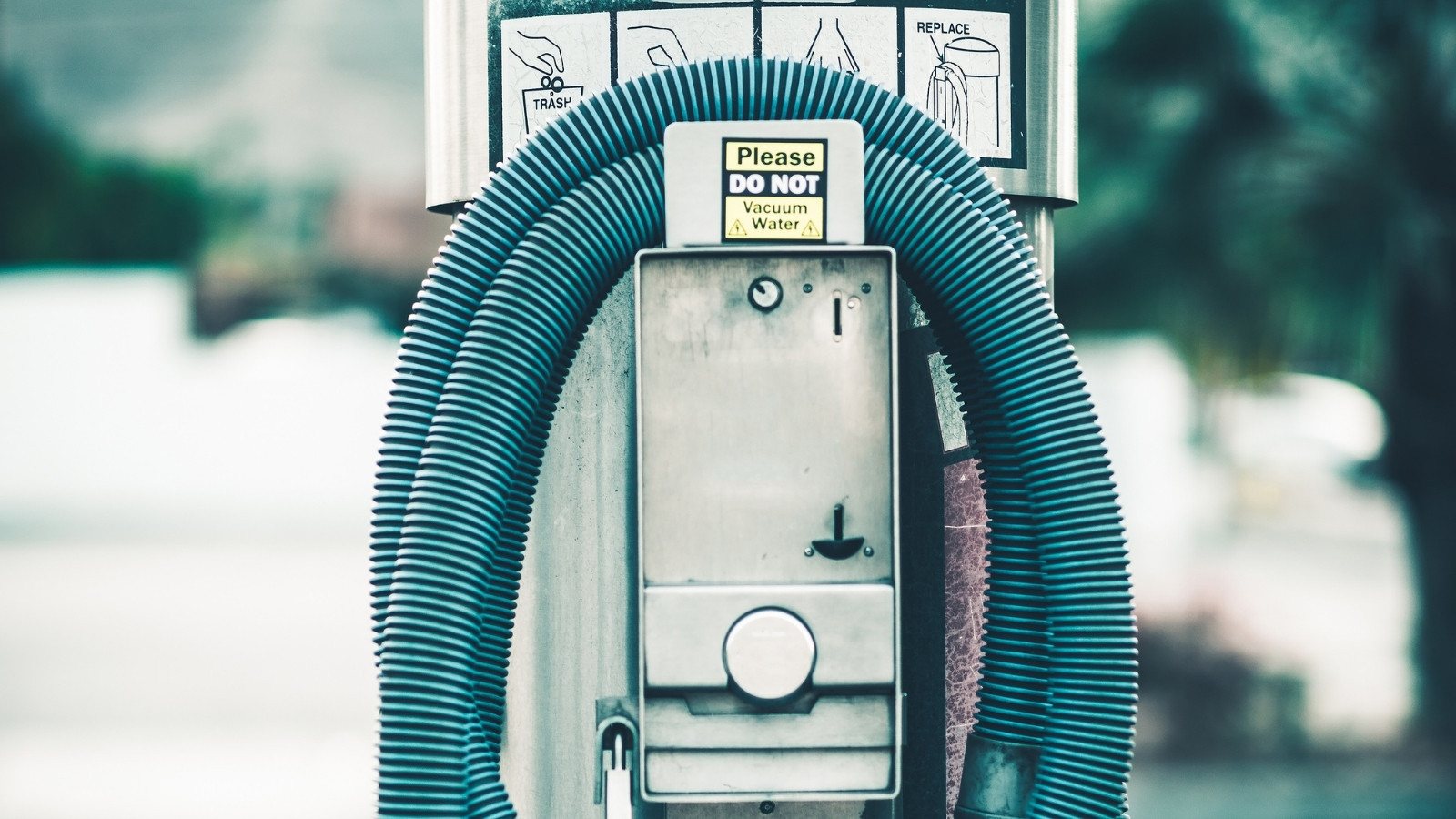
Many self-serve wash locations now include vacuums, interior wipe products, dressings, and quick-clean supplies designed to help customers freshen up the inside of their vehicles.
The problem is that most of these products and processes focus on surface appearance instead of true deep cleaning. Vacuuming visible debris and wiping down surfaces can absolutely improve appearance between details. However, that is very different from fully removing contamination throughout the interior. Buildup underneath seats, packed debris in seams, embedded contamination in carpet backing, sticky residue on high-contact areas, and neglected crevices often remain untouched during quick cleanings.
This is why many customers searching for professional detailing services later discover their vehicle still needs a full baseline reset despite regularly “cleaning” it themselves. The same issue can happen with some detailing services as well. Two businesses may advertise vacuuming, extraction, steam cleaning, and deep cleaning while performing completely different levels of actual restoration work.
A quick surface pass is very different from fully working contamination out of seams, restraints, carpet backing, and moisture-prone areas throughout the vehicle.
Why Tire Shine Can Become a Bigger Problem Later
A shiny tire does not always mean a properly cleaned tire. Many tunnel washes and self-serve bays apply dressing directly over dirt, browning, and old product buildup. The tire initially looks darker and shinier, but contamination often remains trapped underneath. Over time, this layered buildup can create:
- heavy browning
- sticky residue
- uneven appearance
- product sling
- difficult restoration later
Professional tire cleaning fully removes old dressing and contamination before new protection is applied.
In many cases, heavily layered tires require far more correction work later because buildup continued accumulating underneath the shine.
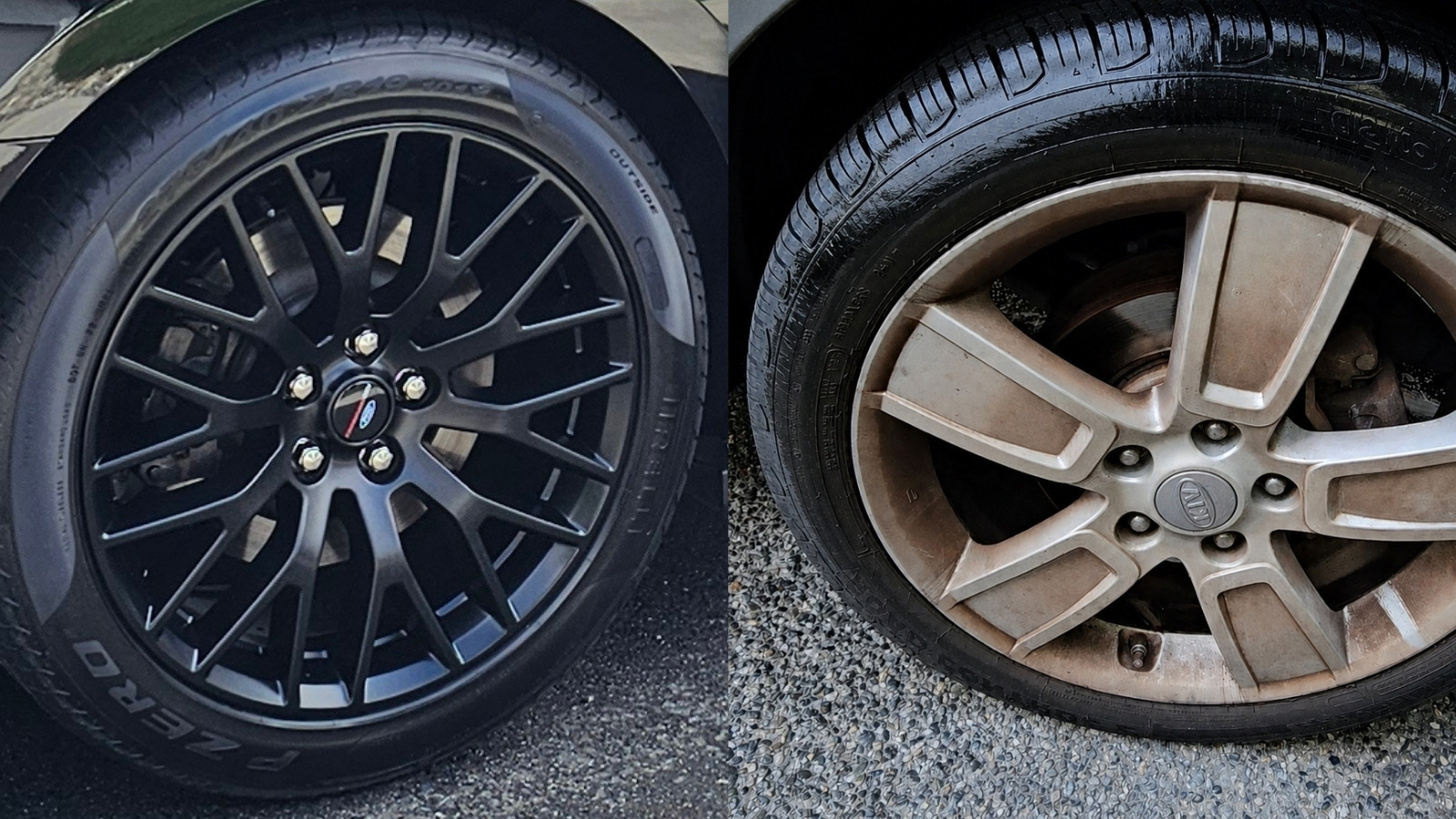
Proper tire dressing should be applied after fully cleaning the rubber surface, not layered over existing buildup.
Why a Vehicle Can Look Clean While Damage Builds Up
This is one of the biggest misconceptions vehicle owners run into. A vehicle can absolutely look cleaner while damage and contamination continue building underneath the surface. Fresh soap, temporary shine products, wipe-downs, and quick vacuuming can improve appearance without fully resetting the vehicle.
The same applies to interiors. A vehicle may look maintained while buildup continues underneath seats, around restraints, inside seams, and throughout carpet backing.
This is why many customers researching how to choose a detailer eventually realize that service descriptions alone do not explain the actual quality of the work being performed.
Automatic Car Washes and Ceramic Coated Vehicles
A ceramic coated vehicle still requires proper maintenance. Coatings help reduce contamination bonding and improve cleaning efficiency, but they do not make paint invincible. Repeated automatic tunnel washing can still:
- create swirls
- damage gloss
- reduce coating performance
- wear protection down faster over time
Proper maintenance helps coatings perform correctly long term. This becomes especially important for owners investing in paint protection film or ceramic coatings who want to preserve long-term finish quality.
What About Water Usage and Environmental Concerns?
A lot of vehicle owners prefer automatic car washes because they assume the process is more environmentally friendly. Many tunnel systems do recycle portions of their water, which is one reason they are often viewed as the more responsible option compared to washing vehicles at home. What many owners do not realize is that if you are hiring a properly licensed mobile detailing businesses, many cities require them to follow environmental and runoff management procedures.
For example, operating legally in Marysville requires our business to maintain a mobile detailing pollution prevention plan as part of our licensing requirements. That plan outlines how wastewater, runoff control, and storm drain protection are handled while performing detailing services throughout Snohomish County communities.
Responsible detailing involves much more than simply washing vehicles. Proper businesses are also thinking about environmental protection, chemical management, runoff prevention, and safe operating practices while servicing vehicles.
What We Recommend Instead
Most people will still occasionally use convenience washes. That is realistic. The goal is not perfection. The goal is understanding the tradeoffs behind different wash methods. For owners wanting better long-term vehicle condition, we generally recommend:
- limiting heavy-contact tunnel washes
- avoiding communal wash brushes
- using clean microfiber towels and mitts
- scheduling periodic decontamination
- properly maintaining coatings
- safely washing the vehicle between details
Small maintenance decisions made consistently create much better long-term results.
If your vehicle already has contamination, swirl marks, staining, or buildup, properly correcting the condition early usually prevents heavier restoration later.
Professional Auto Detailing in Snohomish County
At The Detail Buff, we focus on proper process, safe maintenance methods, and long-term vehicle condition rather than quick appearance improvement.
Whether your vehicle needs maintenance detailing, decontamination, correction work, or protection services, our goal is always to safely restore and maintain the vehicle correctly over time.
If you are looking for professional detailing in Marysville, Arlington, Lake Stevens, Snohomish, or surrounding Snohomish County communities, contact The Detail Buff to learn more about our process.
You can also read our customer reviews to see how our approach has helped local vehicle owners properly maintain and restore their vehicles.